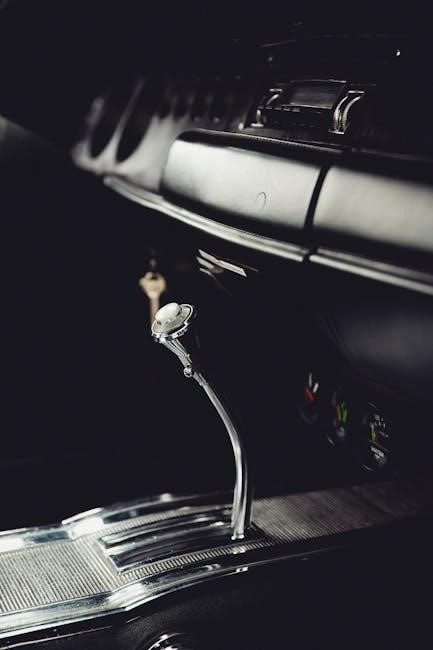
can you have auto start manual transmission
Can You Have Auto Start with a Manual Transmission? ― Article Plan (04/07/2026 02:49:14)
Exploring the feasibility of auto start in manual cars‚ this article delves into the mechanics and emerging technologies bridging traditional driving with modern efficiency features.
The automotive landscape is rapidly evolving‚ with fuel efficiency and emissions reduction at the forefront of innovation. A common feature in modern vehicles is the “auto start/stop” system‚ designed to conserve fuel by automatically shutting off the engine when the car is stationary – at traffic lights‚ for example. But a question arises: can this technology be implemented in vehicles equipped with a manual transmission?
Historically‚ the answer was a firm no. Manual transmissions require driver intervention to disengage the clutch and manage the engine’s starting process. However‚ advancements in automotive technology are challenging this long-held assumption. This article will explore the complexities of integrating auto start functionality into manual transmission vehicles‚ examining the challenges‚ current solutions‚ and potential future developments. We’ll investigate how manufacturers are attempting to blend the engaging driving experience of a manual with the efficiency benefits of automated engine control.
Understanding Manual Transmissions: A Quick Overview
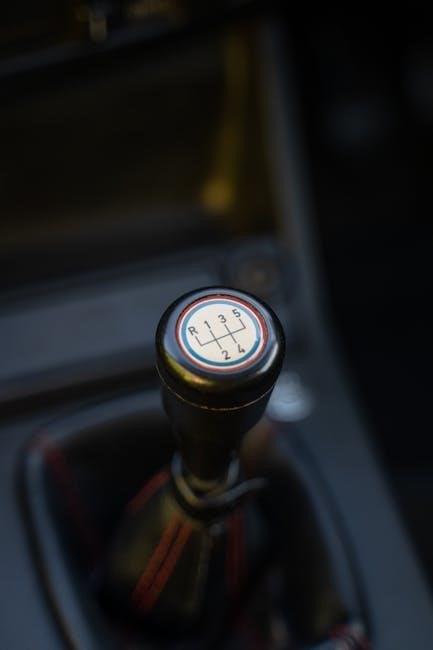
A manual transmission‚ also known as a stick shift‚ relies on the driver to manually select gears using a gear stick and operate a clutch pedal. This system directly connects the engine to the wheels through a series of gears‚ allowing the driver to control the engine’s RPM and the vehicle’s speed. Unlike automatic transmissions‚ manual systems don’t automatically shift gears; the driver must coordinate clutch engagement and gear selection for smooth operation.
Historically prized for driver engagement and control‚ manuals offer a more direct connection to the vehicle. They were once the dominant transmission type‚ representing a status symbol and a core driving skill. However‚ their prevalence has declined as automatics have become more sophisticated and efficient‚ though they still hold appeal for enthusiasts.
Core Components of a Manual Transmission System
The manual transmission system comprises several key components working in harmony. The gearbox itself houses the various gear ratios‚ allowing for adjustments in torque and speed. The clutch‚ a critical element‚ disengages the engine from the transmission‚ enabling gear changes. A gear shift lever allows the driver to select the desired gear‚ while synchronizers ensure smooth gear engagement.
Furthermore‚ the flywheel connects to the engine and provides a surface for the clutch to engage. Linkages and cables transmit the driver’s input to the gearbox. These components collectively facilitate the transfer of power from the engine to the wheels‚ offering the driver precise control over the vehicle’s performance.
The Role of the Clutch in Manual Operation
The clutch is paramount in a manual transmission‚ acting as the crucial link between the engine and the gearbox. Its primary function is to temporarily disconnect the engine’s power from the wheels‚ allowing for gear changes without damaging the transmission. Depressing the clutch pedal disengages this connection‚ while releasing it smoothly re-engages power.
Mastering clutch control is fundamental to driving a manual car. It requires coordinating the clutch pedal with the accelerator to achieve smooth starts‚ shifts‚ and stops. Without precise clutch operation‚ stalling or jerky movements are common. The clutch’s role is therefore central to the entire driving experience.
What Does “Auto Start” Actually Mean?
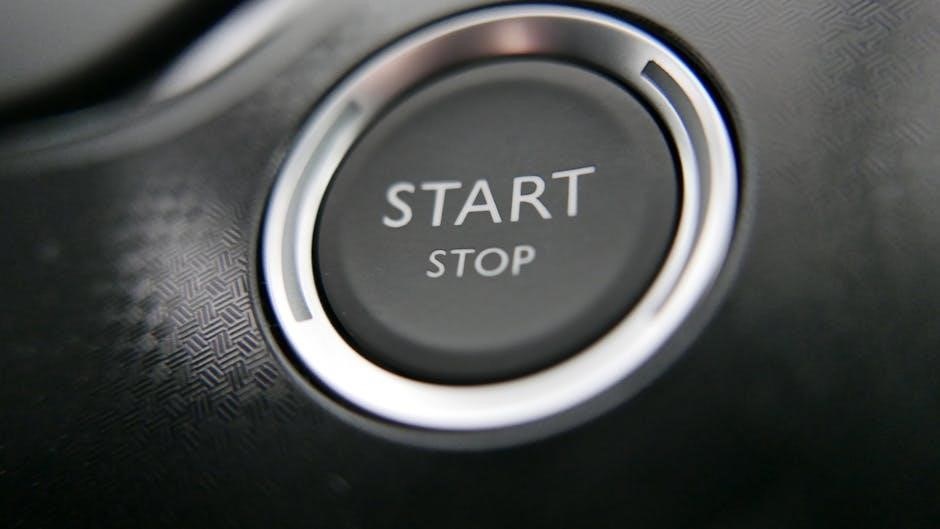
“Auto Start‚” often referred to as Start/Stop technology‚ is a system designed to automatically shut off the engine when the vehicle is stationary – for example‚ at traffic lights or in congestion. This feature aims to improve fuel efficiency and reduce emissions by eliminating idling fuel consumption. Upon releasing the brake pedal‚ the engine restarts quickly and seamlessly.
Traditionally‚ this system has been predominantly found in vehicles with automatic transmissions. However‚ the question arises: can this technology be adapted for manual transmission vehicles? Implementing auto start in a manual requires overcoming the challenge of managing the clutch‚ which is essential for engine disengagement and restart.
Traditional Ignition Systems vs. Modern Start/Stop Systems
Traditional ignition systems relied solely on the driver turning a key to engage the starter motor and initiate combustion. These systems were purely mechanical‚ offering no automated engine control regarding idling or shutdown. Conversely‚ modern Start/Stop systems are intricately linked to the vehicle’s computer‚ monitoring conditions like speed‚ brake application‚ and engine status.
These advanced systems utilize sophisticated sensors and actuators to seamlessly manage engine shutdown and restart. They differ significantly from older systems by incorporating features like enhanced starter motors and robust battery management to handle frequent cycling. Adapting this complexity to a manual transmission presents unique engineering hurdles.
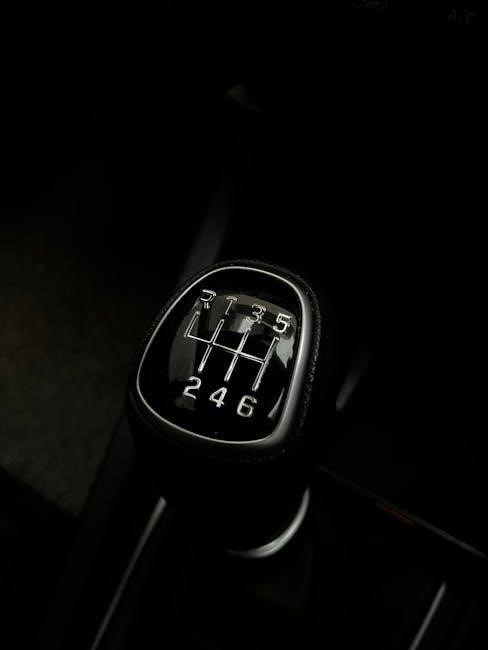
Auto Start/Stop Functionality Explained
Auto Start/Stop systems are designed to automatically shut off the engine when the vehicle is stationary – typically at traffic lights or in congested traffic – and instantly restart it when the driver prepares to move. This functionality relies on a network of sensors monitoring vehicle speed‚ brake pedal position‚ and steering angle.
The system prevents shutdown during critical maneuvers‚ ensuring a smooth and safe driving experience. Restart is typically initiated by releasing the brake pedal‚ with the starter motor engaging almost instantaneously. Implementing this in a manual requires overcoming the challenge of clutch position and preventing stalling during the restart sequence.
The Compatibility Challenge: Why It’s Historically Difficult
Traditionally‚ integrating Auto Start/Stop with manual transmissions presented significant hurdles. Unlike automatics‚ manuals require clutch disengagement for starting‚ and a stalled engine is a common occurrence for inexperienced drivers. Early systems lacked the sophistication to reliably manage this variable.
The core issue lies in preventing the engine from stalling when it restarts‚ especially if the driver doesn’t simultaneously depress the clutch. Automakers hesitated due to potential driver frustration and the complexity of adding a reliable‚ automated clutch control system to existing manual setups. This created a long-standing incompatibility.
The Need for Clutch Disengagement During Starting
A fundamental principle of manual transmissions dictates clutch disengagement during engine starting. This disconnects the engine from the drivetrain‚ allowing the starter motor to crank the engine without resistance from the wheels. Without this‚ the engine would be forced to turn the entire transmission‚ making starting incredibly difficult‚ if not impossible.
Failing to disengage the clutch can lead to stalling‚ especially with Auto Start/Stop systems. The system must account for this‚ either by automatically disengaging the clutch during restarts or ensuring the driver has already done so. This requirement adds a layer of complexity absent in automatic transmissions.
Preventing Stalling: The Manual Driver’s Responsibility
Traditionally‚ preventing a stall in a manual transmission vehicle rests entirely with the driver. Skillful coordination between the clutch and throttle is paramount‚ especially when starting from a standstill or navigating low-speed maneuvers. A momentary lapse in concentration or technique can easily result in the engine cutting out.
This driver responsibility is a core element of the manual driving experience. However‚ the introduction of Auto Start/Stop systems shifts some of this burden to the vehicle’s electronics. The system must reliably anticipate and prevent stalls‚ demanding precise control and sophisticated algorithms to mimic driver input effectively.
Modern Solutions: How Auto Start is Becoming Possible
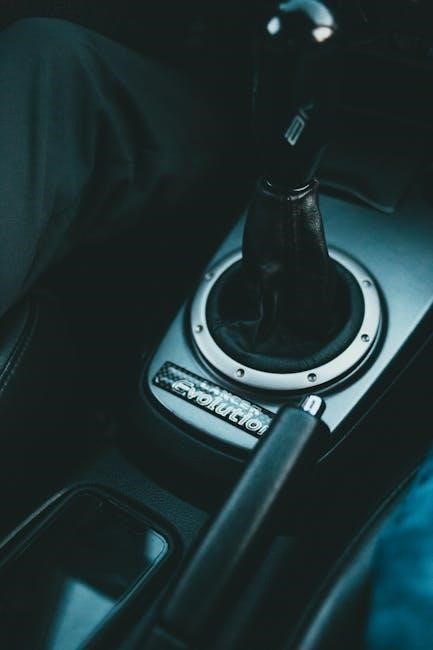
Recent advancements in automotive technology are making Auto Start functionality viable in manual transmission vehicles. The key lies in sophisticated electronic control systems capable of precisely managing the clutch. These systems move beyond traditional mechanical linkages‚ offering a level of automation previously unattainable.
Manufacturers are developing electronic clutch control systems that can disengage the clutch automatically during starts and stops‚ preventing stalls. Coupled with enhanced engine management software‚ these solutions ensure smooth and reliable operation. Hill-hold assist technology‚ already present in many manuals‚ provides a foundation for this automated process.
Electronic Clutch Control Systems
These systems represent a pivotal shift in manual transmission technology‚ utilizing actuators and sensors to mimic a driver’s clutch operation. Instead of a direct mechanical link‚ an electronic control unit (ECU) receives signals and precisely engages or disengages the clutch. This allows for automated operation during Auto Start sequences‚ eliminating the need for driver input.
Sophisticated algorithms manage clutch slip and engagement speed‚ ensuring smooth transitions and preventing stalling. Feedback loops constantly monitor engine speed and vehicle motion‚ optimizing performance. The ECU integrates seamlessly with the engine’s start/stop system‚ coordinating the entire process for maximum efficiency and driver comfort.
Hill-Hold Assist and its Relation to Auto Start
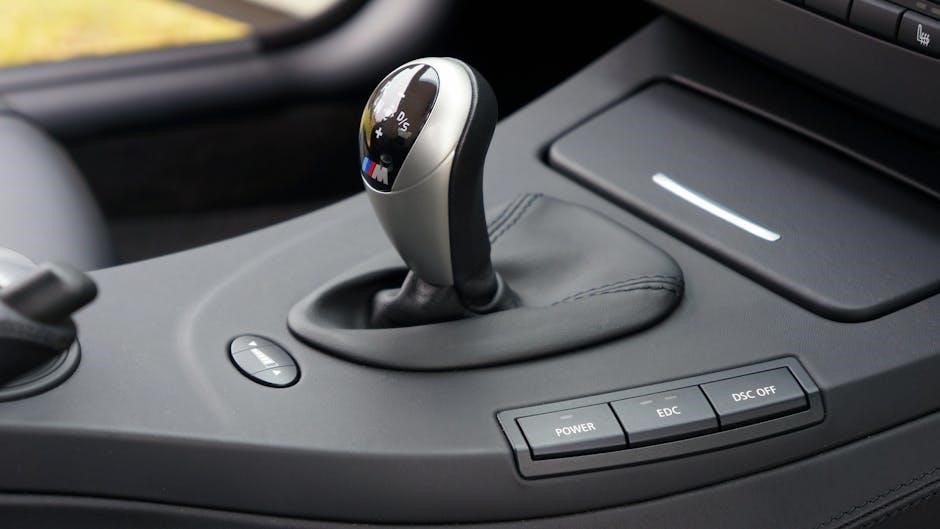
Hill-hold assist‚ already prevalent in many manual transmission vehicles‚ provides a crucial foundation for Auto Start functionality. This system prevents rollback on inclines by momentarily applying brake pressure after the driver releases the brake pedal. This technology demonstrates the feasibility of automated clutch and brake control.
Extending hill-hold’s capabilities to include automated clutch engagement during restarts is a logical progression. The same electronic control systems used for hill-hold can be adapted to manage the clutch during Auto Start‚ ensuring a smooth and controlled launch even on gradients. It’s a stepping stone towards fully automated manual driving experiences.

Current Vehicles Offering Auto Start with Manual Transmissions
As of late 2026‚ the availability of Auto Start with manual transmissions remains limited‚ but a growing number of manufacturers are integrating this feature. Hyundai and Kia have pioneered this technology in select European market models‚ notably certain trims of the i20 and Rio.
Renault also offers Auto Start in some versions of the Clio and Captur with manual gearboxes‚ primarily targeting fuel efficiency and reduced emissions in urban driving conditions. These implementations showcase the increasing demand for this convenience feature‚ even amongst enthusiasts who prefer manual control.
Specific Models and Manufacturers (Examples)
Hyundai’s i20‚ in its higher trim levels available in Europe‚ features a refined Auto Start system paired with a 6-speed manual transmission. Kia’s Rio mirrors this offering‚ providing a similar experience for drivers seeking enhanced fuel economy. Renault’s Clio E-Tech Hybrid‚ while technically a hybrid‚ utilizes a clutchless manual gearbox with Auto Start functionality.
The Renault Captur also presents this option. These examples demonstrate a trend towards integrating Auto Start into smaller‚ city-focused vehicles. Manufacturers are carefully calibrating the systems to ensure a smooth and intuitive driving experience‚ addressing concerns about potential jerkiness or driver interference.
Regional Availability of These Features
Currently‚ Auto Start functionality with manual transmissions is predominantly found in the European market. Hyundai and Kia’s offerings are largely concentrated within the EU‚ catering to stricter emissions regulations and a higher demand for fuel-efficient vehicles. Renault’s implementation is also primarily focused on Europe‚ particularly in countries with significant urban driving conditions.
North America generally lacks these options‚ with manufacturers prioritizing automatic transmissions. Asian markets‚ like South Korea‚ are beginning to see limited availability‚ but widespread adoption remains slow. This disparity reflects differing consumer preferences and regulatory landscapes across regions.
Benefits of Auto Start in a Manual Vehicle
Integrating Auto Start into manual transmission vehicles yields significant advantages. Fuel efficiency improves dramatically‚ particularly in stop-and-go traffic‚ as the engine isn’t idling unnecessarily. This directly translates to reduced emissions‚ contributing to a smaller carbon footprint and aligning with increasingly stringent environmental standards.
Furthermore‚ it eases driver fatigue during congested commutes; The system minimizes clutch and gear selection frequency‚ enhancing comfort. While seemingly minor‚ these cumulative benefits offer a compelling case for adopting this technology‚ blending the engaging experience of a manual with modern convenience.
Fuel Efficiency Improvements
The primary benefit of Auto Start in manual vehicles centers around enhanced fuel economy. Traditional internal combustion engines consume fuel even while idling‚ a common occurrence in city driving. By automatically shutting off the engine when stopped – at traffic lights‚ for example – and restarting it instantly when needed‚ fuel waste is minimized.
This is particularly impactful for manual transmissions‚ where drivers actively manage engine operation. The system optimizes fuel usage‚ leading to noticeable savings over time. Considering the rising cost of fuel and growing environmental concerns‚ this improvement is a significant advantage.
Reduced Emissions
Alongside fuel efficiency‚ Auto Start systems in manual transmission vehicles contribute significantly to reduced emissions. When the engine is switched off during idling‚ the vehicle produces zero tailpipe emissions‚ directly improving air quality‚ especially in congested urban environments. This feature addresses growing concerns about greenhouse gases and pollutants.
By minimizing unnecessary engine operation‚ the overall carbon footprint of the vehicle is lessened. This aligns with increasingly stringent emissions regulations and a global push for sustainable transportation. The technology offers a practical step towards cleaner driving‚ benefiting both the environment and public health.
Potential Drawbacks and Considerations
Implementing Auto Start in manual transmission cars isn’t without potential downsides. System complexity introduces additional components‚ potentially increasing maintenance costs and the risk of failure over time. Drivers accustomed to traditional manual operation may experience an adjustment period‚ finding the automated restarts slightly jarring or unexpected.
Furthermore‚ the system’s reliance on sensors and electronic controls could introduce new failure points. Concerns about the long-term durability of the electronic clutch control systems are valid. Careful consideration must be given to balancing the benefits of fuel savings and reduced emissions against these potential drawbacks and costs.
System Complexity and Potential Maintenance
Introducing Auto Start to a manual transmission significantly increases system complexity; Integrating electronic clutch control‚ sensors‚ and a sophisticated control unit adds layers beyond a traditional setup. This complexity translates to potentially higher repair costs should any component fail. Diagnostic procedures become more involved‚ requiring specialized tools and expertise.
Regular maintenance schedules may need expansion to include checks of the Auto Start system’s components. The longevity of the electronic clutch actuator is a key concern‚ as frequent engagement/disengagement cycles could accelerate wear. Owners should anticipate potentially higher long-term maintenance expenses compared to standard manual vehicles.
Driver Adaptation and Feel
For drivers accustomed to the tactile engagement of a manual transmission‚ Auto Start introduces a shift in the driving experience. The automated clutch operation can feel unnatural initially‚ requiring a period of adjustment. Experienced manual drivers may miss the control and feedback traditionally provided by the clutch pedal.
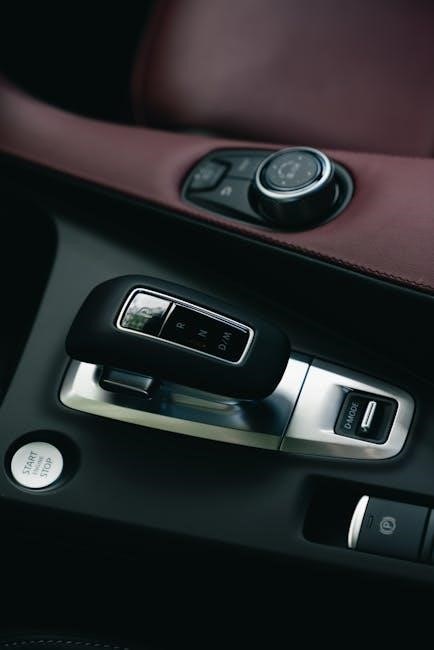
The smoothness of the Auto Start system is crucial; abrupt engagements can be jarring. Manufacturers must carefully calibrate the system to mimic a skilled driver’s actions. Some drivers may prefer disabling the feature‚ opting for full manual control. Ultimately‚ acceptance hinges on how seamlessly the technology integrates with the driver’s expectations.
The Future of Auto Start and Manual Transmissions
Advancements in clutch technology‚ particularly electronically controlled systems‚ will refine Auto Start functionality‚ making it smoother and more intuitive. Integration with increasingly sophisticated vehicle systems‚ including hybrid and even fully electric powertrains paired with manual transmissions‚ presents exciting possibilities.
We can anticipate predictive algorithms anticipating driver intent‚ optimizing clutch engagement for seamless starts. Further development may involve learning systems adapting to individual driving styles. The future likely holds a blend of traditional manual engagement with automated assistance‚ preserving driving pleasure while enhancing efficiency and reducing emissions.
Advancements in Clutch Technology
The core of enabling Auto Start with manual transmissions lies in sophisticated clutch advancements. Traditional hydraulic systems are evolving into fully electronic clutch control‚ allowing for precise and rapid disengagement and engagement – crucial for seamless restarts. These systems utilize sensors and actuators to manage clutch operation independently of the driver’s foot.
Dry clutch technologies are being refined for durability and responsiveness‚ while research into wet clutch systems offers smoother operation and heat dissipation. These innovations are paving the way for automated clutch control‚ essential for reliable Auto Start functionality and improved overall driving experience.
Integration with Hybrid and Electric Manual Systems
The future of Auto Start with manual transmissions is inextricably linked to hybridization and electrification. Combining a manual gearbox with an electric motor allows for torque-fill during restarts‚ eliminating stalling concerns and enhancing smoothness. Electric motors can briefly provide power while the engine restarts‚ masking any interruption.
Hybrid systems can also utilize regenerative braking to recapture energy during deceleration‚ further boosting fuel efficiency. Fully electric manual vehicles‚ though niche‚ present unique opportunities for automated clutch control and optimized power delivery‚ potentially redefining the manual driving experience for a new era.