guide parking
Guide to Parking: A Comprehensive Overview (Updated April 14‚ 2026)
Navigating parking regulations can be complex! This guide offers a detailed exploration of rules‚ signs‚ and laws across the US‚ updated as of today’s date․
Parking regulations are crucial for maintaining order and safety on our roadways․ These rules‚ established by state and local authorities‚ dictate where‚ when‚ and for how long vehicles can remain stationary․ Understanding these regulations is not merely about avoiding tickets; it’s about ensuring smooth traffic flow‚ accessibility for all‚ and emergency vehicle access․
The landscape of parking laws is diverse‚ varying significantly from state to state – and even city to city․ For instance‚ California enforces a 72-hour parking limit on public roads‚ with violations leading to towing and substantial fines․ New York State law (Article 32 ─ 1203) specifies that vehicles parked on two-way roads must be within twelve inches of the curb․
Furthermore‚ deciphering parking signage is essential․ Signs communicate critical information‚ including restrictions like “No Parking‚” “No Standing‚” and “No Stopping‚” each with distinct meanings․ A comprehensive understanding of these nuances‚ alongside awareness of handicap parking rules and temporary permit options‚ empowers drivers to park legally and responsibly․ This guide aims to demystify these complexities․
Understanding Common Parking Signs
Parking signs are the primary method municipalities use to communicate parking rules․ Recognizing these signs is vital to avoid violations and associated penalties․ A “No Parking” sign‚ often accompanied by time restrictions or arrow indicators‚ prohibits stopping at any time during the specified period or direction․
It’s crucial to differentiate between “No Parking‚” “No Standing‚” and “No Stopping․” “No Standing” allows brief stops for loading/unloading passengers‚ while “No Stopping” permits only a momentary pause – for example‚ to pick up a passenger․ Ignoring these distinctions can result in costly fines․
Signs also indicate permitted parking durations‚ often displayed with maximum time limits․ Pay close attention to any accompanying instructions regarding payment methods‚ such as parking meters or mobile apps․ Furthermore‚ be aware of signs designating handicap parking spaces‚ requiring a valid placard or permit․ Understanding arrow directions on signs is also key; they define the area to which the restriction applies․ A guide to compliant signs is readily available for businesses and property owners․
No Parking vs․ No Standing vs․ No Stopping: Key Differences
Distinguishing between “No Parking‚” “No Standing‚” and “No Stopping” is essential for legal parking․ While often used interchangeably‚ these terms have distinct legal meanings‚ impacting whether a vehicle is in violation․ “No Parking” generally prohibits leaving a vehicle stationary for an extended period‚ allowing brief stops for loading/unloading․
“No Standing” is more restrictive‚ forbidding any stopping to load or unload passengers or merchandise․ A momentary stop‚ however‚ might be permissible in certain circumstances․ Most restrictive of all is “No Stopping‚” which allows only a fleeting pause – for example‚ to allow a passenger to quickly enter or exit the vehicle․
These differences are critical because enforcement and associated fines vary accordingly․ A “No Parking” violation might incur a lower penalty than a “No Standing” or “No Stopping” infraction․ Understanding these nuances‚ and carefully observing posted signage‚ is crucial for avoiding costly tickets and potential towing; Ignoring these distinctions can lead to significant financial consequences․
Angle Parking Regulations
Angle parking‚ a common method for maximizing space‚ requires strict adherence to specific regulations․ New York State law (Article 32 ‒ 1203) dictates that‚ except where explicitly authorized for angle parking‚ vehicles on two-way roadways must park with their right-hand wheels parallel to‚ and within twelve inches of‚ the right-hand curb․
When angle parking is permitted‚ vehicles must enter from the traffic lane and back into the space‚ or drive forward into the space․ Headlights must be used during these maneuvers․ Proper signaling is also crucial to alert other drivers of your intentions․ Failure to execute these maneuvers correctly can result in collisions and parking violations․
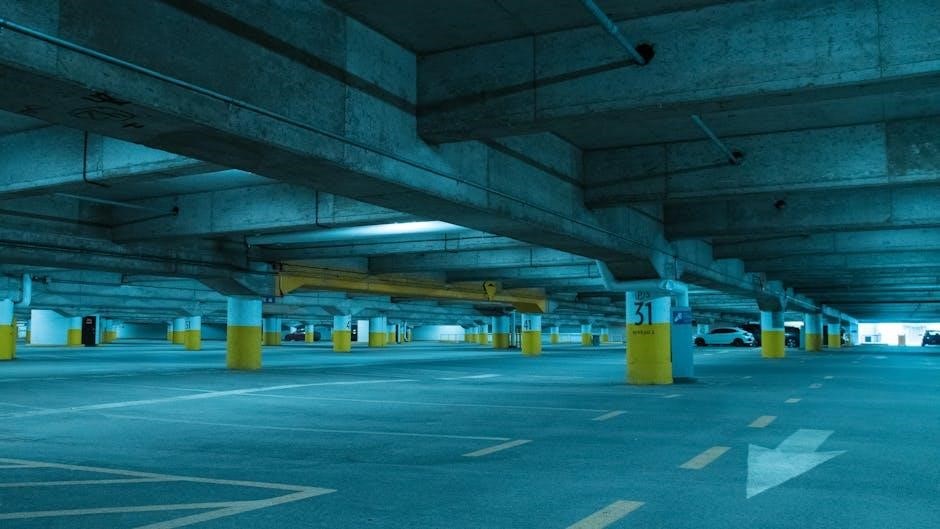
Local ordinances may further refine angle parking rules‚ including time limits or permit requirements․ Always observe posted signage carefully․ Improperly angled parking obstructs traffic flow and poses a safety hazard‚ leading to fines and potential towing․ Understanding these regulations ensures safe and legal parking practices․
Parallel Parking: Legal Requirements
Mastering parallel parking is essential for urban drivers‚ but it’s governed by specific legal requirements․ New York State’s Vehicle and Traffic Law (Article 32 ─ 1203) establishes a baseline: vehicles must be stopped‚ standing‚ or parked with the right-hand wheels parallel to‚ and within twelve inches of‚ the right-hand curb when on a two-way roadway‚ unless angle parking is authorized․
However‚ successful parallel parking isn’t just about proximity to the curb․ Drivers must signal their intent‚ check mirrors and blind spots frequently‚ and execute the maneuver without obstructing traffic․ Leaving a reasonable space between your vehicle and the vehicles ahead and behind is also crucial․
Many municipalities have additional regulations regarding parallel parking‚ including time limits and restrictions during street cleaning․ Ignoring these rules can lead to costly fines and even vehicle towing․ Always prioritize safety and legality when attempting this challenging parking technique․
Distance from Curb: New York State Law (Article 32 ‒ 1203)
New York State law meticulously defines the permissible distance a vehicle can be parked from the curb․ Specifically‚ Article 32 ‒ 1203 of the Vehicle and Traffic Law dictates that any vehicle stopped‚ standing‚ or parked on a two-way roadway must have its right-hand wheels parallel to‚ and crucially‚ within twelve inches of the right-hand curb or the roadway’s edge․
This regulation isn’t merely a suggestion; it’s a legally enforceable standard․ The intent is to maximize roadway capacity and ensure clear passage for other vehicles and pedestrians․ Exceeding the twelve-inch limit constitutes a parking violation‚ subject to fines and potential towing․
It’s important to note this rule applies unless angle parking is specifically authorized in that location․ Drivers should always observe posted signage‚ as local ordinances may supplement or clarify this state law․ Maintaining awareness of this distance requirement is vital for compliant and considerate parking in New York State․
Time Limits for Parking on Public Roads
Many municipalities impose time restrictions on parking along public roads to manage space and facilitate turnover․ These limits vary significantly depending on location‚ ranging from a few minutes to several hours․ Understanding these regulations is crucial to avoid costly tickets and potential towing․
California provides a notable example with its 72-hour parking limit; Exceeding this timeframe can result in a vehicle being towed‚ incurring a base fine of $35‚ which typically escalates to approximately $238 with added fees․ This rule aims to prevent long-term parking that obstructs public access and commerce․
Beyond fixed time limits‚ some areas utilize parking meters or time-restricted zones indicated by signage․ Always carefully read posted signs detailing permitted parking durations and any applicable restrictions‚ such as peak hour limitations․ Resources like “How to California” offer guidance on navigating these local rules․
72-Hour Parking Limit: California Example
California’s 72-hour parking limit is a widely enforced regulation designed to prevent vehicles from remaining stationary for extended periods on public streets․ This rule aims to ensure fair access to parking for residents‚ visitors‚ and businesses‚ promoting efficient use of limited street space throughout the state․
Violating this limit can lead to significant consequences‚ primarily the towing of the vehicle at the owner’s expense․ The initial fine for exceeding the 72-hour limit is $35‚ but this figure quickly increases with the addition of administrative fees‚ storage costs‚ and towing charges․ Typically‚ the total cost can reach around $238․
The “How to California” resource highlights the importance of adhering to this rule‚ offering guidance to those living‚ working‚ or visiting the Golden State․ Regularly moving your vehicle‚ even a short distance‚ can help avoid penalties and ensure compliance with local parking ordinances․
Fines and Penalties for Parking Violations
Parking violations carry a spectrum of financial penalties‚ varying significantly based on the infraction and location․ These fines are designed to deter illegal parking and maintain order on public roadways‚ ensuring accessibility and safety for all users․ The exact amount can differ dramatically between states and even municipalities within a state․
Beyond standard fines‚ additional costs often accrue‚ including late payment fees and‚ in more serious cases‚ court costs․ Repeated offenses can lead to escalating penalties‚ potentially resulting in vehicle immobilization (booting) or even impoundment․ Ignoring parking tickets can negatively impact your credit score and driver’s license status․
Understanding the specific penalties associated with different violations is crucial․ Common infractions like exceeding time limits‚ parking in restricted zones (near fire hydrants or crosswalks)‚ and failing to display required permits all carry distinct financial consequences․ Always check local ordinances for precise details․
Vehicle Towing: When and Why It Happens
Vehicle towing is a drastic measure employed when parking violations escalate or create significant obstructions․ It’s not simply about a ticket; towing occurs when a vehicle poses a safety hazard‚ impedes traffic flow‚ or violates specific‚ serious parking regulations․ Authorities typically reserve towing for situations where a vehicle is illegally parked in a manner that demands immediate removal․
Common reasons for towing include blocking fire hydrants‚ obstructing emergency vehicle access‚ violating the 72-hour parking limit (as seen in California)‚ and repeated parking ticket disregard․ Often‚ a warning period is attempted‚ but this isn’t always required before towing․
The process usually involves contacting a licensed towing company authorized by the local jurisdiction․ Recovering a towed vehicle involves paying towing and storage fees‚ which can be substantial‚ alongside any outstanding parking fines․ Documentation‚ like proof of ownership and identification‚ is essential for retrieval․

Parking in Residential Areas
Residential parking regulations aim to balance the needs of residents with public access․ These rules often differ significantly from those in business districts‚ prioritizing resident convenience while preventing prolonged non-resident parking․ Many municipalities employ permit systems‚ requiring residents to display a valid permit to park on designated streets during specific hours․

Guest parking provisions are common‚ allowing residents to obtain temporary permits for visitors․ However‚ these permits usually have limitations on duration and frequency․ Street cleaning schedules frequently restrict parking on certain days‚ necessitating temporary vehicle relocation․
Overnight parking restrictions are also prevalent‚ particularly during winter months for snow removal․ Understanding local ordinances is crucial‚ as violations can lead to fines and‚ in some cases‚ towing․ Respecting designated loading zones and avoiding obstruction of driveways are fundamental aspects of responsible residential parking․
Parking in Business Districts
Parking in business districts is typically more regulated and competitive than in residential areas․ These zones prioritize high turnover to accommodate customers and employees‚ often employing metered parking and strict time limits․ Understanding these limitations is vital to avoid costly violations and potential towing․
Loading zones are crucial for commercial deliveries and are strictly enforced․ Pay close attention to signage indicating permitted hours and vehicle types․ Many cities utilize parking garages and lots as alternatives to street parking‚ often at a higher cost but with greater availability․
Peak hours often see increased enforcement of parking regulations‚ with officers actively monitoring for expired meters and illegal parking․ Be mindful of fire hydrants‚ crosswalks‚ and other restricted areas‚ as violations carry significant penalties․ Utilizing parking apps can help locate available spaces and manage parking time effectively․
Parking Near Fire Hydrants and Crosswalks
Parking prohibitions around fire hydrants and crosswalks are universally strict and non-negotiable‚ prioritizing public safety․ Blocking access to a fire hydrant‚ even partially‚ can severely impede emergency response efforts‚ leading to substantial fines and potential legal repercussions․ Typically‚ a fifteen-foot clearance is mandated on either side of a fire hydrant․
Similarly‚ parking near crosswalks obstructs pedestrian visibility and creates hazardous conditions․ Most jurisdictions prohibit parking within twenty feet of a marked crosswalk to ensure pedestrians have a clear line of sight for approaching vehicles․ Violators face hefty fines and potential towing․
These restrictions are consistently enforced‚ and even momentary stops can result in citations․ Always double-check your surroundings before parking‚ paying particular attention to painted curb markings and posted signage․ Prioritizing pedestrian and emergency access is paramount․
Parking on Hills: Facing Direction
When parking on a hill‚ the direction your wheels are turned is crucial for safety‚ preventing runaway vehicles․ The specific rule depends on whether a curb is present․ If a curb exists‚ turn your front wheels away from the curb․ This way‚ if the brakes fail‚ the tire will contact the curb‚ stopping the vehicle․
However‚ if there is no curb‚ turn your front wheels towards the edge of the roadway․ This directs a potential runaway vehicle off the pavement and into a less hazardous area․ Remember to engage your parking brake in both scenarios – it’s your primary safety measure․
These regulations are universally applied to minimize the risk of accidents․ Ignoring these guidelines can result in fines and‚ more importantly‚ endanger lives․ Always assess the slope and curb situation before securing your vehicle․
Handicap Parking Placards: A National Overview
Accessible parking placards are vital for individuals with disabilities‚ ensuring convenient access to public spaces․ A national standard governs these placards‚ though specific rules vary by state․ Generally‚ a placard allows a vehicle to utilize designated handicap parking spaces‚ offering closer proximity to entrances․
These placards are issued to individuals meeting specific disability criteria‚ as defined by state regulations․ Temporary placards are also available for short-term disabilities․ Misuse of a placard – such as using it when the disabled individual isn’t present – is illegal and subject to penalties․
A comprehensive national resource exists to explain the laws‚ qualification rules‚ renewals‚ travel use‚ and application processes․ Understanding these regulations is crucial for both placard holders and the general public‚ promoting accessibility and respectful parking practices․
Disabled Parking Placard Rules: Texas Update
Texas has recently updated its regulations concerning disabled parking placards‚ aiming to enhance enforcement and prevent misuse․ These changes encompass new requirements for both initial application and renewal processes‚ ensuring only eligible individuals receive these privileges․
The updated rules emphasize stricter medical documentation standards‚ requiring detailed assessments from qualified healthcare professionals․ Furthermore‚ Texas now implements more frequent reviews of placard validity‚ potentially involving periodic re-evaluations of the applicant’s disability status․
A clear‚ conversational guide details these changes‚ offering accessible information for Texas residents; Understanding these updates is vital for individuals relying on disabled parking‚ as well as healthcare providers involved in the application process․ These revisions aim to balance accessibility with accountability‚ safeguarding the integrity of the program․
Handicap Placard Qualification and Renewal
Securing a handicap parking placard requires demonstrating a qualifying disability that substantially limits mobility․ Generally‚ this involves a certification from a licensed physician‚ optometrist‚ or podiatrist‚ detailing the nature and extent of the impairment․ Qualifying conditions often include permanent or temporary disabilities impacting walking or using vehicles․
The renewal process varies by state‚ but typically necessitates periodic re-certification by a medical professional․ Some jurisdictions offer online renewal options for convenience‚ while others require in-person visits to designated agencies․ A national resource provides comprehensive information on these varying state-specific procedures․
It’s crucial to understand that placards are non-transferable and intended solely for use by the individual to whom they are issued․ Misuse can result in fines and revocation of privileges․ Staying informed about current qualification criteria and renewal deadlines is essential for continued access to accessible parking․
Traveling with a Disability Placard: Interstate Rules
When traveling across state lines with a disability placard‚ it’s generally recognized and honored‚ but understanding the nuances is vital․ Most states reciprocate‚ meaning they accept valid placards issued by other states‚ allowing continued access to designated parking spaces․ However‚ specific regulations can differ․
Temporary placards may have limitations regarding their validity period when used outside the issuing state․ It’s advisable to check the specific rules of each destination state before traveling‚ particularly for extended trips․ Some states require visitors to display both the placard and a temporary visitor permit․
Always ensure the placard is properly displayed and that the vehicle is actively transporting the individual for whom it was issued․ A national overview of handicap placard laws provides a valuable resource for navigating these interstate regulations‚ ensuring a smooth and compliant travel experience․
Temporary Parking Permits: Availability and Usage
Temporary parking permits offer short-term solutions for situations where standard parking regulations pose a hardship․ These permits are typically issued by local authorities – cities‚ counties‚ or municipalities – and cater to specific needs like moving‚ home repairs‚ or temporary medical conditions․
Availability varies significantly by location․ Some jurisdictions offer online applications‚ while others require in-person visits to a designated office․ Application processes usually involve providing proof of residency‚ a detailed explanation of the need‚ and potentially a fee․
Usage is strictly regulated․ Permits are often valid only for a specific block or area and during a defined timeframe․ Exceeding these limitations can result in fines or towing․ Understanding the precise terms and conditions outlined on the permit is crucial for avoiding violations and ensuring a hassle-free experience․
Parking Apps and Technology
Modern technology has revolutionized parking‚ offering drivers unprecedented convenience and efficiency․ Numerous smartphone applications now assist with locating available parking spaces‚ comparing rates‚ and even making reservations in advance․ Popular apps include ParkMobile‚ SpotHero‚ and PayByPhone‚ streamlining the payment process and eliminating the need for physical meters․
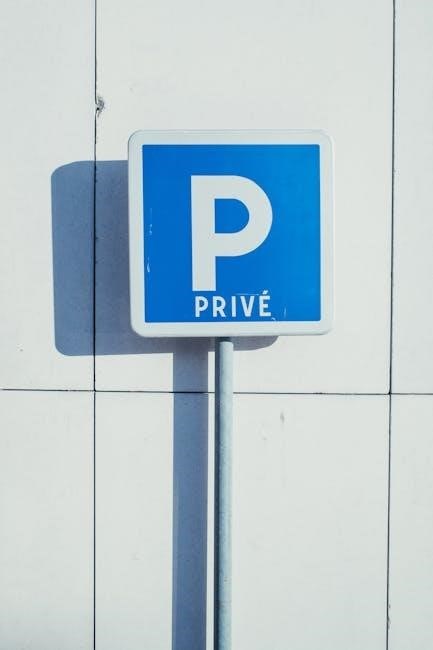
Beyond finding spaces‚ some apps provide real-time parking availability data‚ utilizing sensors and crowdsourced information․ This feature is particularly valuable in congested urban areas․ Integrated navigation systems within these apps guide drivers directly to their chosen parking spot‚ minimizing circling and wasted time․
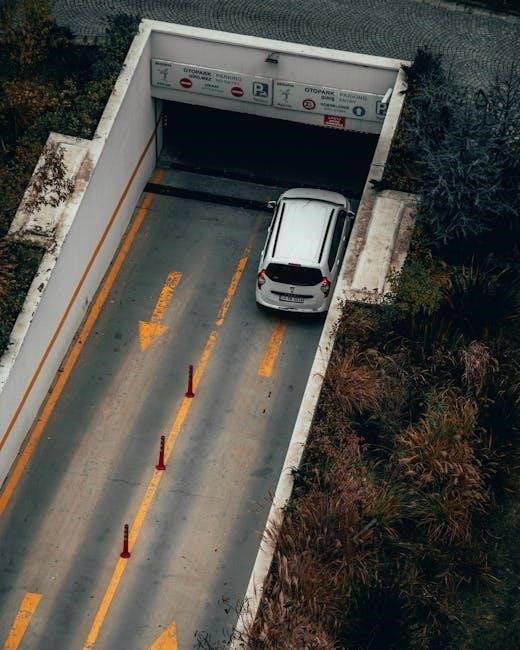
Furthermore‚ smart parking systems are emerging‚ employing sensors embedded in parking spaces to detect occupancy․ This data is then relayed to drivers via apps‚ optimizing parking utilization and reducing traffic congestion․ These advancements represent a significant shift towards a more connected and user-friendly parking experience․
Contesting a Parking Ticket
Receiving a parking ticket can be frustrating‚ but drivers often have the right to contest it․ The process typically begins with a review of the ticket itself‚ carefully noting the alleged violation‚ date‚ time‚ and location․ Gathering evidence is crucial; this might include photographs of the parking situation‚ witness statements‚ or documentation supporting your claim․
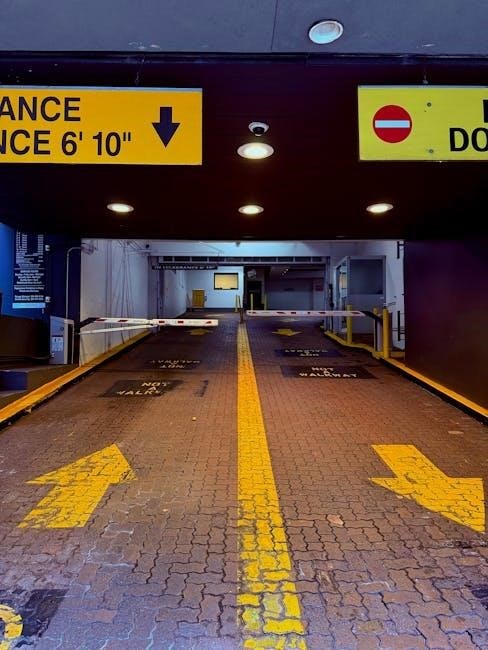
Most jurisdictions offer both online and mail-in options for submitting a contest․ A clear‚ concise‚ and respectful written statement outlining the reasons for the challenge is essential․ Common grounds for contesting include faulty signage‚ malfunctioning meters‚ or extenuating circumstances like a medical emergency․
Be prepared to attend a hearing if your initial appeal is denied․ Presenting your evidence persuasively and understanding the local parking regulations are key to a successful outcome․ Remember to adhere to all deadlines and follow the specific procedures outlined by the issuing authority․
Resources for Parking Regulations by State
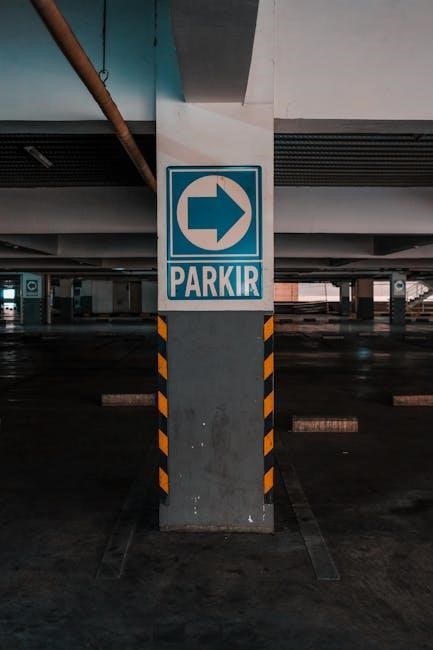
Parking laws vary significantly from state to state‚ and even within municipalities․ Accessing reliable‚ state-specific information is crucial for drivers․ Many states offer comprehensive online resources detailing their parking regulations‚ often through their Department of Motor Vehicles (DMV) or equivalent transportation agencies․
For example‚ New York provides detailed information within its Vehicle and Traffic Law (Article 32)‚ accessible through official state websites․ California’s regulations‚ including the 72-hour parking limit‚ are outlined by local authorities and state guides․ Websites dedicated to state-specific legal information‚ like those offering access to codified laws‚ are invaluable;
Furthermore‚ numerous third-party websites compile parking rules by state‚ though verifying the information with official sources is always recommended․ Local city and county websites often provide the most granular details regarding parking zones‚ meter rates‚ and permit requirements․ Staying informed ensures compliance and avoids costly violations․
Understanding Parking Zones and Meters
Parking zones and meters are common methods for managing on-street parking‚ particularly in urban areas and business districts․ These systems aim to maximize parking availability and generate revenue for city services․ Understanding the different types of zones and meter regulations is essential for avoiding tickets and towing․
Generally‚ parking zones are designated areas with specific rules‚ such as time limits‚ permit requirements‚ or restrictions based on the day of the week․ Meters require payment for a specified duration of parking‚ often enforced through parking kiosks or mobile apps․ Ignoring meter time limits or failing to pay can result in fines․
Pay close attention to signage indicating zone restrictions and meter instructions․ Some zones may prioritize resident parking with permits‚ while others may be reserved for loading or short-term parking․ Many cities are adopting smart parking technologies‚ including real-time availability information and mobile payment options‚ to enhance convenience and enforcement․